


Image Courtesy:Open AI
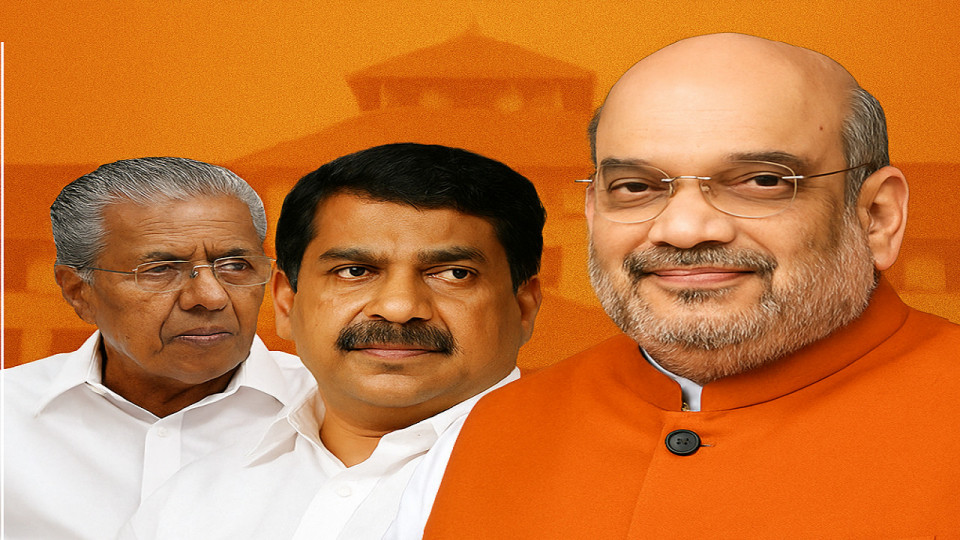
Kerala: The results of local body elections in Kerala are being declared today at 8 am. This election is not just a local fight for BJP but can prove to be a major turning point in deciding the direction of the 2026 assembly elections. A total of more than 2 crore voters took part in the elections held in two phases, with the voting percentage being 73.69%—the highest figure since 1995. Voting was 70.91% in the first phase and 76.08% in the second. BJP, along with its allies, has fielded candidates on almost 90% of the seats, which is its biggest effort so far.
In Kerala, elections from Panchayat members to Municipal Corporation councilors were held in two phases on 9 and 12 December. Currently in power is the Left Democratic Front (LDF), led by CPI(M), while the Congress-led United Democratic Front (UDF) is the main opposition. BJP has emerged as a third force in the last few years. Since the 2015 elections, BJP has made inroads in urban areas, on the basis of which it won the MLA for the first time in 2016. In the 2020 local elections, the NDA won 249 Gram Panchayat members, 37 Block Panchayat members, 2 District Panchayat members, 320 Municipality members, and 60 Corporation members, along with 15% of the vote share. After losing the lone seat in the 2021 assembly elections, the focus is now on urban strengthening and rural expansion.
This time the BJP targeted urban centers like Thiruvananthapuram and Thrissur, where it aimed to win the corporations. In Kozhikode, 22 divisions where the first stood second tried to win. The NDA resolved internal differences and united with allies like Bharat Dharma Jana Sena, which is helpful in wooing Ezhuv votes. Support has grown among the Hindu Nair community in South Kerala and has also made inroads into the Roman Catholic community, although acceptance remains low among the Latin Catholic, Christian Nadar, and Muslim communities. The rural areas of northern Kerala remain challenging.
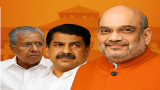
Home Minister Amit Shah said during the Manorama News Conclave 2025 in Kochi on December 13 that the BJP will get 25% of votes in the local body elections, which will be a new beginning. Giving the example of Tripura and Assam, he said that there the BJP reached power with 1% vote share. Shah stressed that the youth of Kerala, irrespective of community, will choose performance politics.
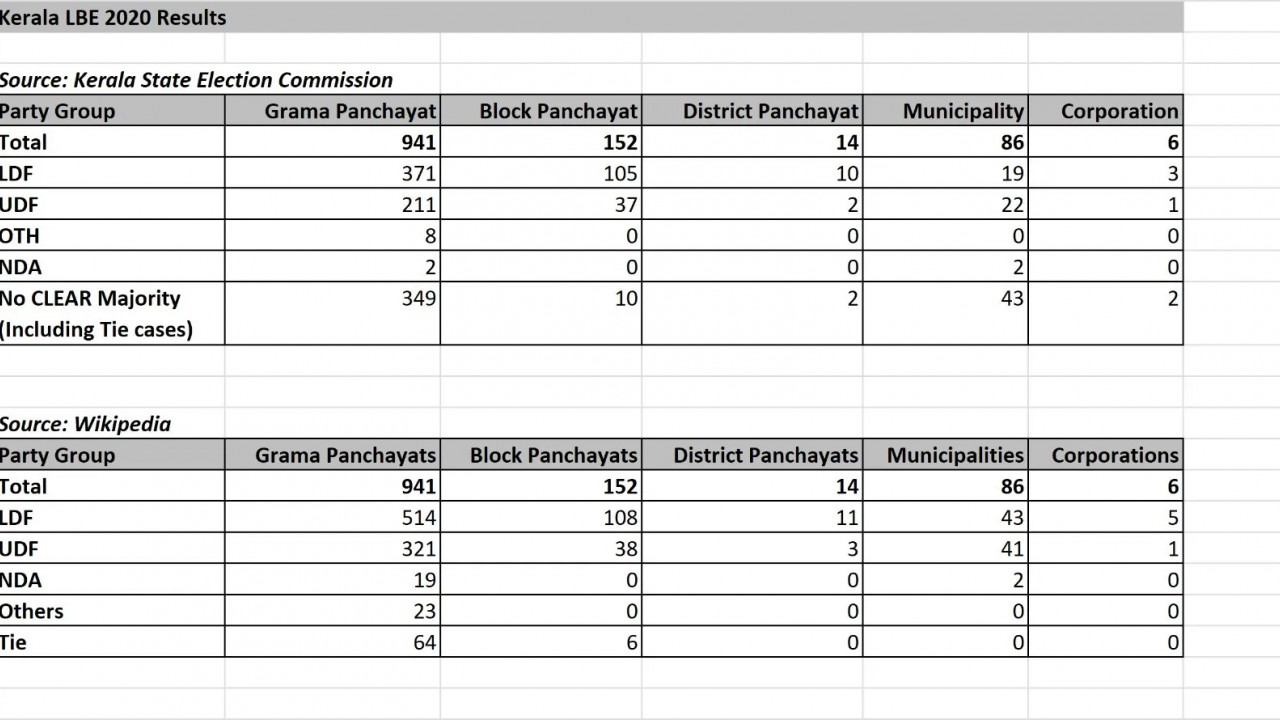
These results will decide the strategy for the 2026 assembly elections. If the BJP gets the expected success, it will accelerate its emergence as a third force, which could weaken the decades-old LDF-UDF duo. Shah believes that this will create multipolar politics, where voters will not be limited to just two options.
The BJP's strategy rests on urban integration, cooperative unity, and community-specific appeal. Learning from the successes of 2020 and the defeats of 2021, it is using the policies of the Centre. Despite LDF being in power and UDF in opposition, BJP becoming the third pole could intensify the competition. If the target of 25% vote share is achieved, a major change is possible in Kerala politics—based on ideology and performance.






Copyright © 2025 Top Indian News


